Lake Science
Follow sunlight, temperature, nutrients, plants, plankton, and fish through a living lake. Then learn how depth and water-clarity observations become useful evidence.
Read lake data
Step off the dock and into the system: discover how lakes change, how watersheds connect us, and how everyday choices can protect the water.
Begin with what is happening in the water, trace what reaches it from the land, or follow the lake through the year.
Follow sunlight, temperature, nutrients, plants, plankton, and fish through a living lake. Then learn how depth and water-clarity observations become useful evidence.
Read lake data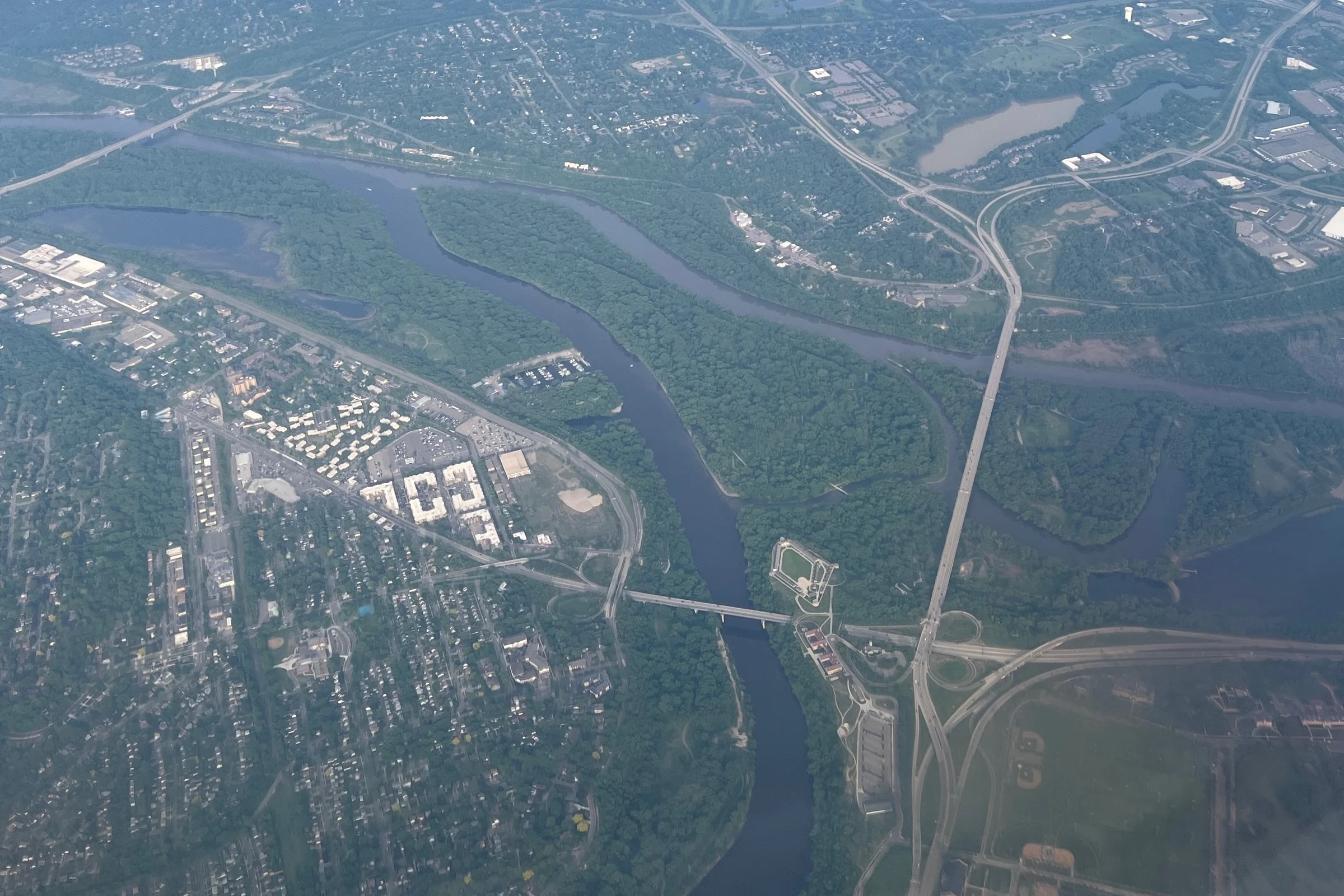
Rain and melting snow move downhill across a watershed, carrying water toward connected wetlands, streams, rivers, and lakes. Explore why choices on land matter at the shoreline.
Flüsse entdecken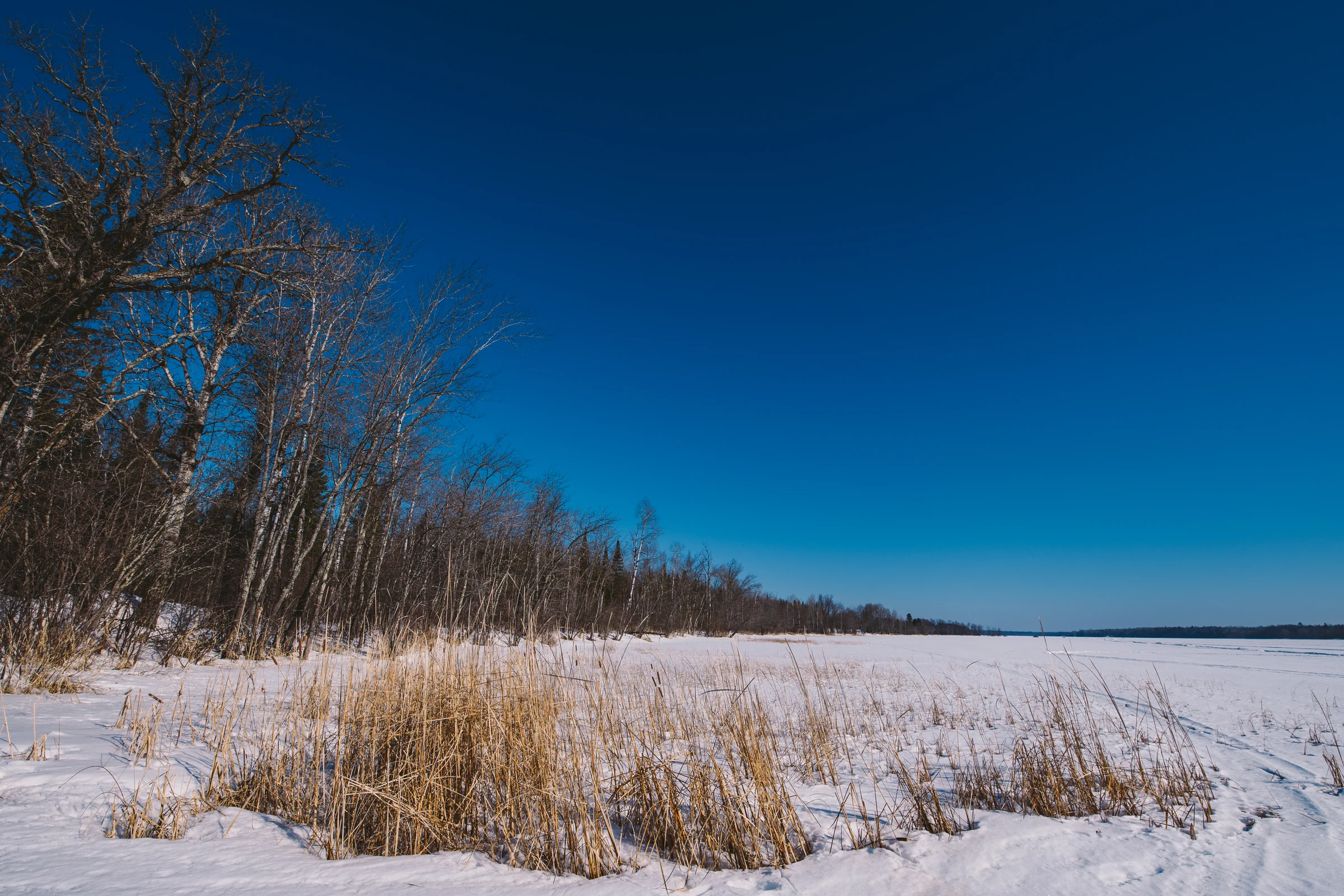
Watch a Minnesota lake change from spring mixing to summer layers, autumn cooling, and winter ice. Conditions vary by waterbody and weather, so observations need dates.
Plan for the seasonThis conceptual sequence is a reading guide, not a measurement of any particular lake.
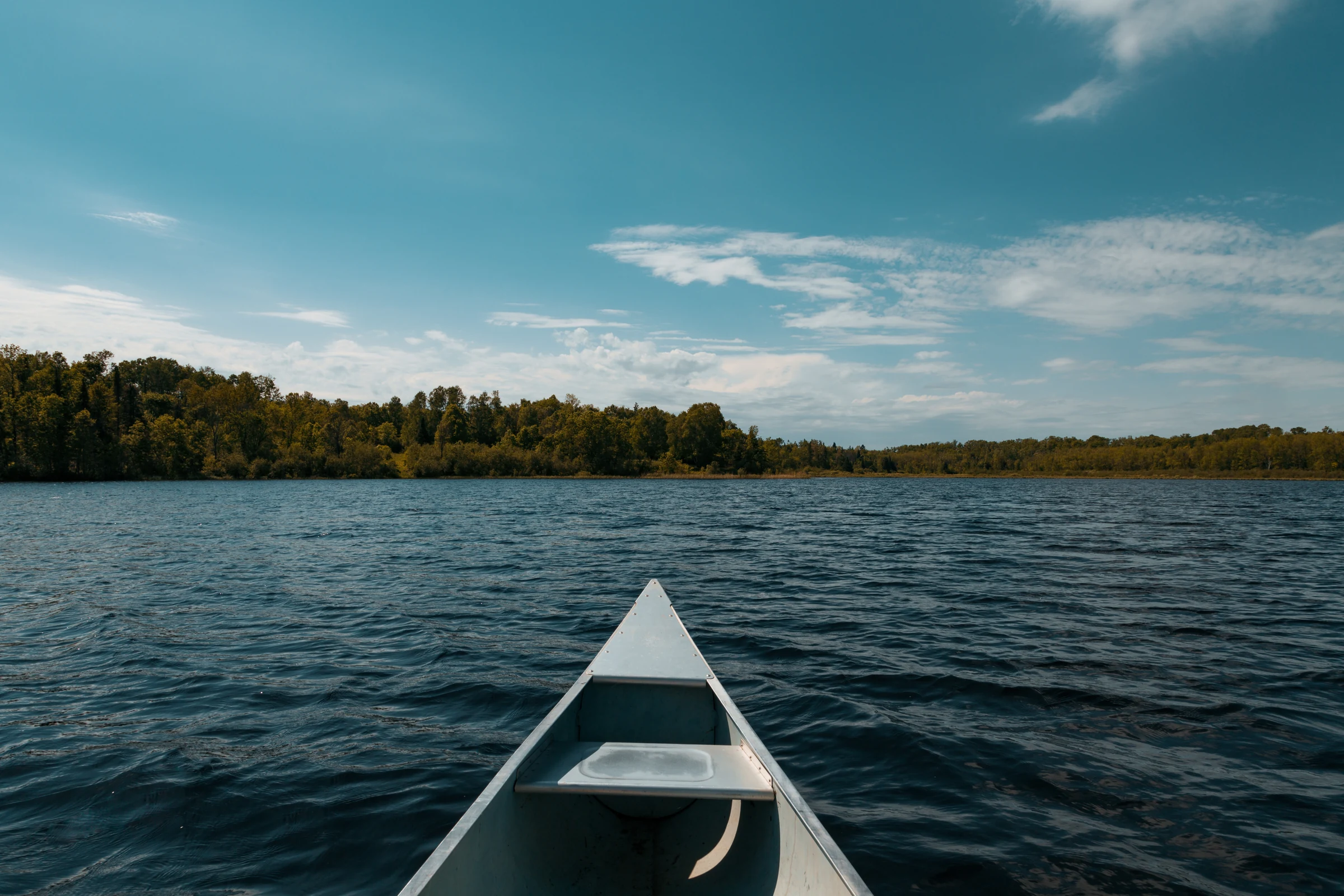
Aquatic invasive species can move on boats, trailers, equipment, water, and bait. Before leaving an access, follow current Minnesota DNR requirements: clean visible plants and animals, drain water, dispose of unwanted bait correctly, and keep drain plugs out during transport.
Also protect habitat: use established access points, reduce wake near shore, give wildlife space, pack out waste, and respect closures and private property.
Check current AIS guidance (opens in a new tab)Choose an answer, then open the explanation. The goal is judgment you can use at the next lake.
Answer: Check method, location, units, and observation dates before deciding that the lake changed.
Answer: No. Follow every current clean, drain, dispose, and transport requirement—not only a visual check.
Answer: A freeze date does not establish safe ice. Ice is never completely safe; check current local conditions and Minnesota DNR ice-safety guidance.
Minnesota waters carry Indigenous histories and living cultures, treaty relationships, migration and settlement stories, work, foodways, recreation, art, and community memory. Learn from Tribal Nations, museums, historical societies, and the people whose lives are tied to each place.
Start with a region or county, then follow verified local cultural sources as those pathways are published.
These pathways were reviewed July 27, 2026. Dataset observations and current rules keep their own dates at the source.
Minnesota DNR’s plain-language guide to lake structure, food webs, plants, nutrients, and seasonal change.
Open official source (opens in a new tab)MPCA explanations, monitoring, assessments, and watershed restoration and protection work.
Open official source (opens in a new tab)Current Minnesota DNR identification, prevention, infested-water, and legal guidance.
Open official source (opens in a new tab)University of Minnesota LakeBrowser satellite observations with dates, methods, and lake-by-lake availability.
Open official source (opens in a new tab)