跳到主要内容
循水而行

流域与保护

湖泊始于岸线之外。追随雨水穿过陆地与湿地,在下水点阻止外来生物搭便车,并选择切实可行的护水行动。

Land and water are one system

流域汇集上游的每一处联系

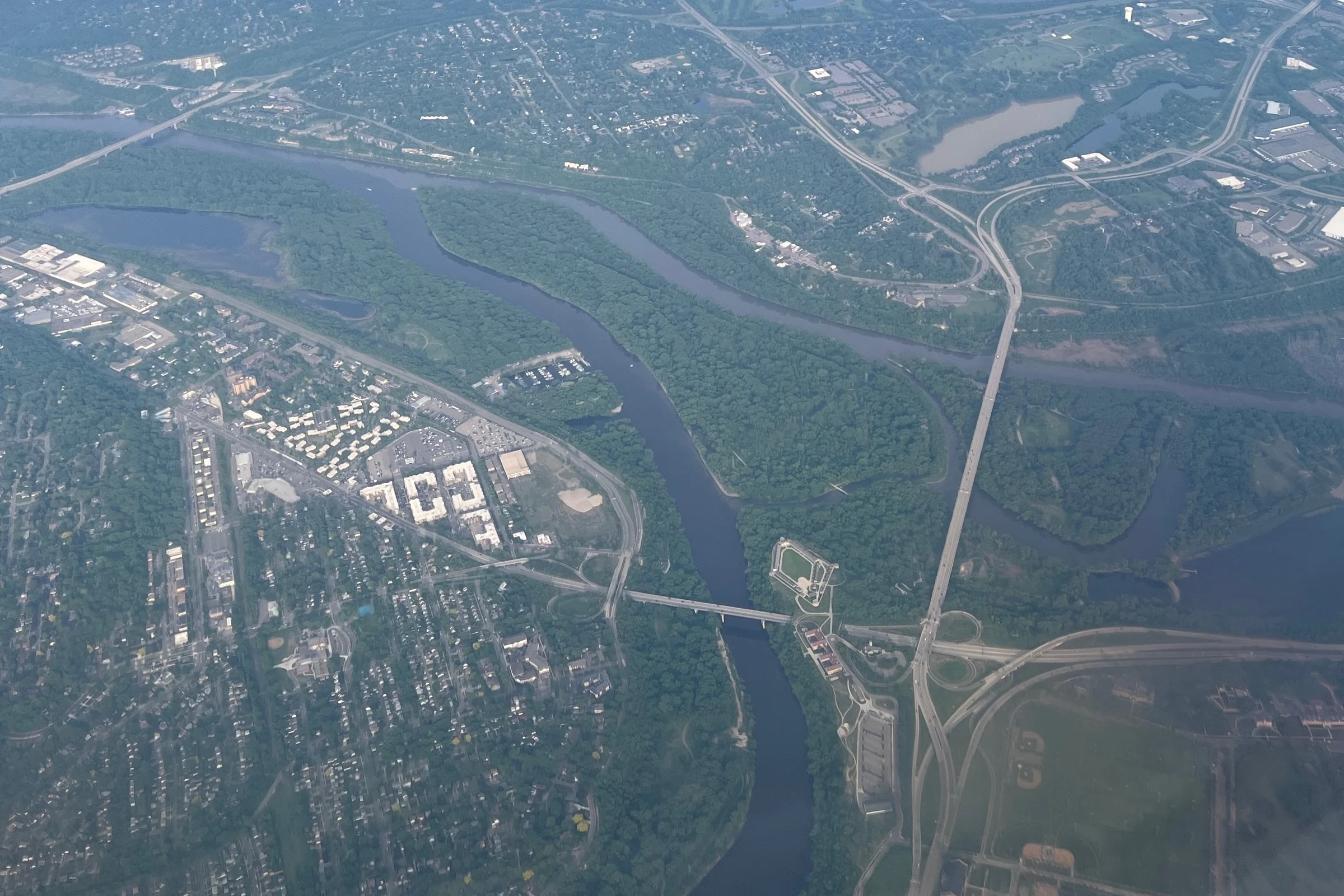
A watershed is the land area that drains to a shared waterbody. Rain and snowmelt can travel across soil, streets and fields, through wetlands and streams, or underground before reaching a lake. What happens upstream can therefore matter downstream.

Watershed boundaries follow the shape of the land rather than county lines. Use an official map for a particular lake; do not assume two nearby waters share the same drainage path.

Clean, drain, dispose

切断水生入侵物种的传播路径

Boats, trailers, docks, waders and bait equipment can move aquatic organisms or water between waters.

  1. 清理 Remove visible plants, animals and mud from water-related equipment.
  2. 排水 Remove drain plugs and keep them out during transport.
  3. 妥善丢弃 Put unwanted bait in the trash; do not release bait or dump bait water into a waterbody.

Check current DNR requirements (opens in a new tab)

Stewardship at the water’s edge

让自然岸线持续发挥作用

Shoreland choices should fit the site, local rules and the waterbody—not a statewide one-size-fits-all recipe.

From concern to useful work

从地点和责任主体开始

  1. Identify the lake and its mapped watershed in an official record.
  2. Check the current assessment, plan, permits and local shoreland rules.
  3. Contact the county, soil and water conservation district, watershed organization, Tribal government where applicable, or city program.
  4. Choose a measurable action and revisit the source record over time.
Official action pathways

查找最新地图、规定和当地合作方

Pathways reviewed July 27, 2026. Local conditions, rules, grants, contacts and project status can change; verify them at the source.