Skip to content
Follow the water home

Watersheds & Conservation

A lake begins beyond its shoreline. Trace rain across land and wetlands, stop unwanted hitchhikers at the access, and choose practical ways to care for water close to home.

Land and water are one system

A watershed gathers every uphill connection

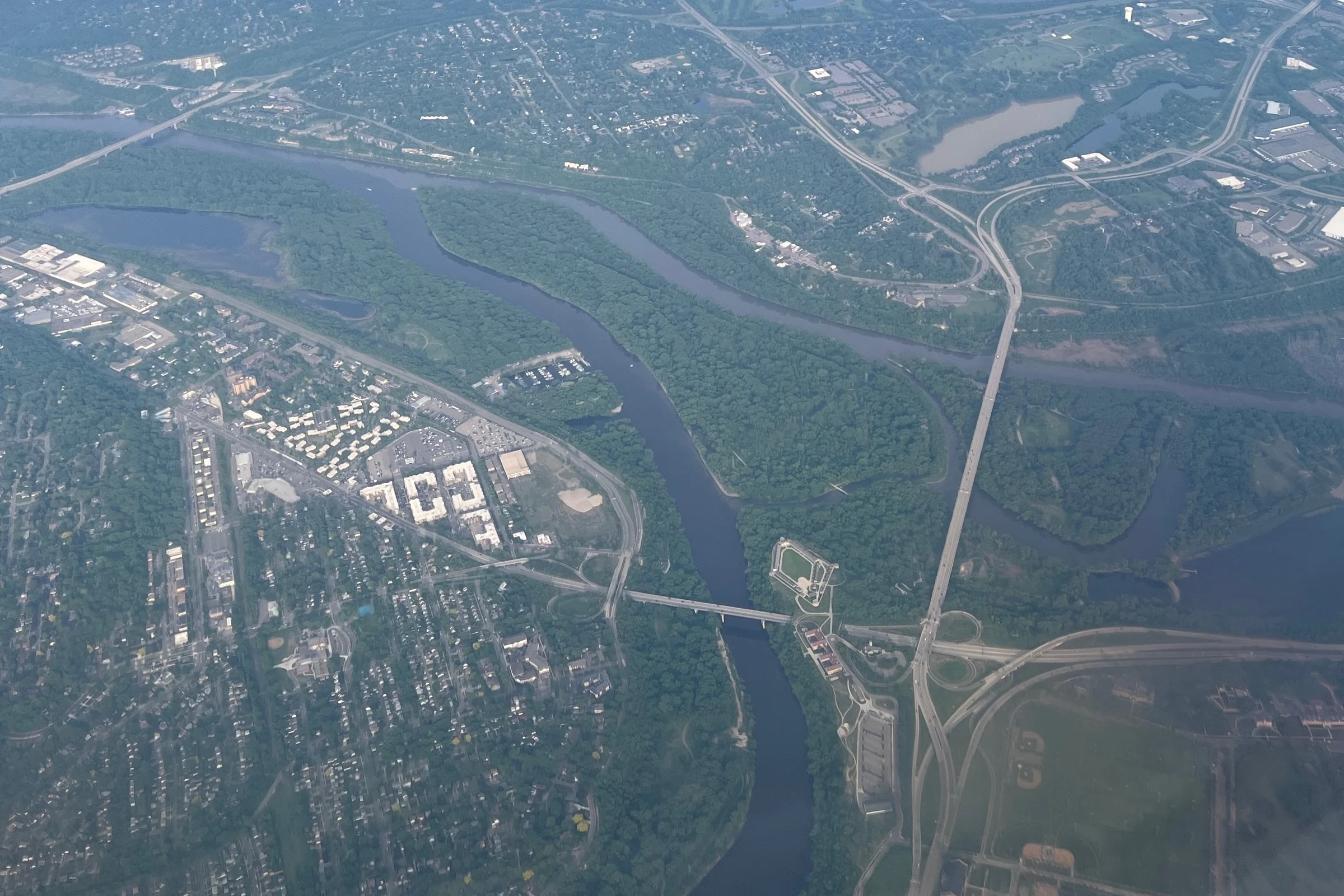
A watershed is the land area that drains to a shared waterbody. Rain and snowmelt can travel across soil, streets and fields, through wetlands and streams, or underground before reaching a lake. What happens upstream can therefore matter downstream.

Watershed boundaries follow the shape of the land rather than county lines. Use an official map for a particular lake; do not assume two nearby waters share the same drainage path.

Clean, drain, dispose

Break the aquatic invasive species pathway

Boats, trailers, docks, waders and bait equipment can move aquatic organisms or water between waters.

  1. Clean Remove visible plants, animals and mud from water-related equipment.
  2. Drain Remove drain plugs and keep them out during transport.
  3. Dispose Put unwanted bait in the trash; do not release bait or dump bait water into a waterbody.

Check current DNR requirements (opens in a new tab)

Stewardship at the water’s edge

Keep living shoreland working

Shoreland choices should fit the site, local rules and the waterbody—not a statewide one-size-fits-all recipe.

From concern to useful work

Start with the place and the people responsible for it

  1. Identify the lake and its mapped watershed in an official record.
  2. Check the current assessment, plan, permits and local shoreland rules.
  3. Contact the county, soil and water conservation district, watershed organization, Tribal government where applicable, or city program.
  4. Choose a measurable action and revisit the source record over time.
Official action pathways

Find the current map, rule and local partner

Pathways reviewed July 27, 2026. Local conditions, rules, grants, contacts and project status can change; verify them at the source.